Story first
Turn the first hug into a repeatable game
A plush gift becomes more memorable when the child receives a simple story prompt with it. The prompt does not need to be complicated. It can be a name card, a pretend passport, a bedtime job, or a tiny outfit choice that lets the child decide what happens next. Build A Bear play ideas are written for busy families who want the toy to stay active after the unboxing moment. Each idea gives a child a role, a setting, and a reason to return to the character.
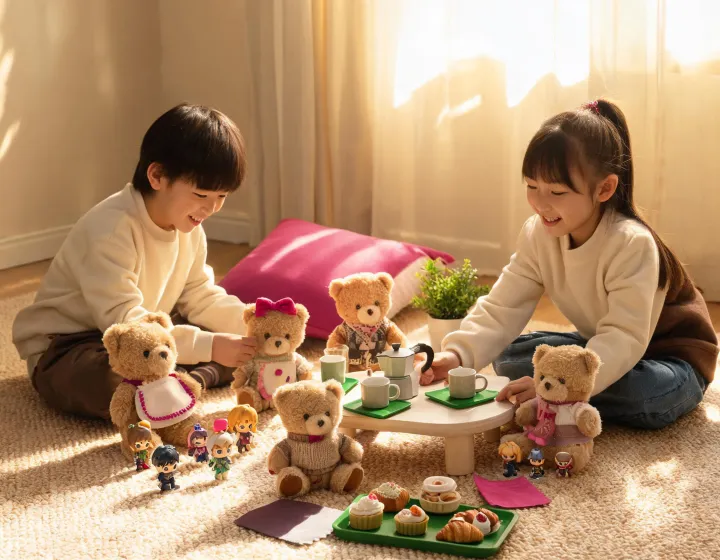
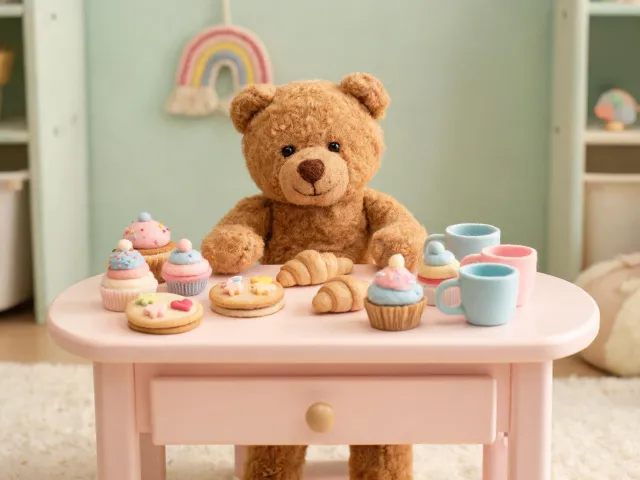
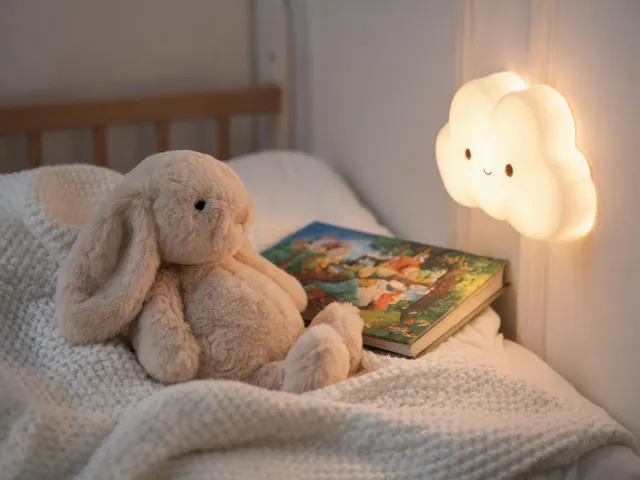
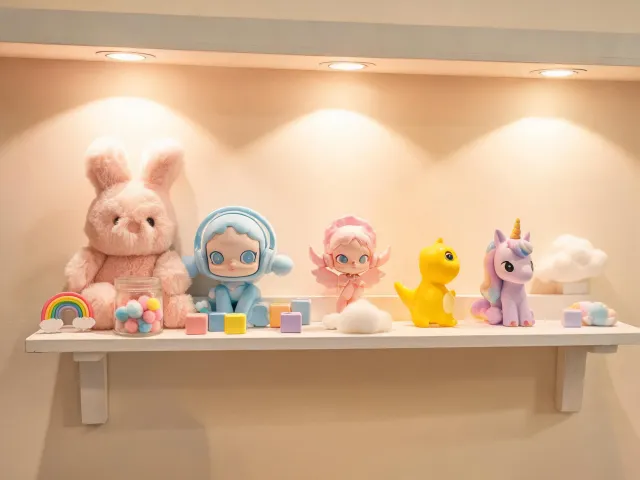
For younger children, we keep the actions gentle and concrete: tuck the bear in, find the softest blanket, point to the color, or choose a goodnight song. Preschoolers can handle slightly richer scenes, such as running a plush bakery, packing a pretend picnic, or helping a character get ready for a birthday visit. Older children may enjoy collection logic, display rotation, character backstories, and costume swaps. The goal is not to script play. It is to open a door, then let the child walk through it in their own style.
"A toy with a small ritual often becomes the one a child remembers."