The Build-A-Bear Polar Bear 'Weighted' Stuffed Animal: A Buyer's Guide
-
Should you get a Build-A-Bear polar bear weighted stuffed animal?
-
How do you actually get a 'weighted' feel from a Build-A-Bear plush?
-
Which polar bear style and size should you choose?
-
Online or in-store: where should you buy it?
-
What accessories and extras make the polar bear feel complete?
-
The verdict: is this the right buy for you?
Yes, the Build-A-Bear polar bear weighted stuffed animal is worth it for most gift-givers — but with an important caveat. Build-A-Bear does not sell a pre-filled, beaded 'weighted animal.' The weight comes from the in-store stuffing process: you can ask for extra stuffing to create a denser, heavier bear. So the value depends on whether you will actually use that customization. If you want a personalized polar bear and are willing to adjust the stuffing to your preferred feel, this is a good buy. If you just want a heavy plush out of the box, a therapeutic weighted plush from another brand is a better fit.
Should you get a Build-A-Bear polar bear weighted stuffed animal?
Should you get a Build-A-Bear polar bear weighted stuffed animal? The short answer is yes, provided you understand what 'weighted' means here. Build-A-Bear is not a manufacturer of therapeutic weighted plush; it is an experiential brand where you control the stuffing density in the workshop. The polar bear starts as an unstuffed shell, and the associate fills it while you watch. You can request extra stuffing to make the bear firmer and much heavier, then seal it with the brand's Heart Ceremony. That means the final weight is up to you, not the factory. If you value that personalization and are willing to spend a few extra minutes adjusting the fill, the bear delivers a surprisingly substantial, huggable companion. If, instead, you expected a pre-weighted, beaded animal with a labeled ounce count, you will be disappointed. The price is really for the experience and the custom result, not for a guaranteed weight.
Understanding why the stuffing experience is the core of the product helps put that verdict in context. Build-A-Bear was founded in 1997, when Maxine Clark opened the first Workshop in the St. Louis Galleria Mall, and the brand has since expanded to more than 600 locations worldwide. The official story describes the brand's identity through 'our stuffing experience, Heart Ceremony and endless options for personalization.' That history shapes what you are buying: not a fixed-weight product, but a customizable workshop. The brand facts tell you that weight is a variable you control, not a spec sheet. For a parent or gift-giver, this changes the comparison: you are weighing the value of the ceremony and customization against the convenience of a generic pre-weighted plush from another store. If you embrace the experience, the price feels justified; if you only wanted weight out of the box, it doesn't. That distinction matters because it tells you the polar bear is not a one-size-fits-all product; it's a starting point you shape.
How do you actually get a 'weighted' feel from a Build-A-Bear plush?
How do you actually get a 'weighted' feel from a Build-A-Bear plush? The mechanism is simpler than most people expect: it all comes down to stuffing density. The bear is filled in the workshop while you watch, and you can tell the associate to keep adding filling until the bear feels right in your arms. A default fill is soft and light; a heavily stuffed bear is firm, dense, and noticeably heavier. There is no hidden bag of beads, no labeled weight in ounces, and no option to add a weighted insert. The weight is purely a function of how much polyfill goes into the shell. The practical implication is that you have to be assertive in the store. If you ask for a 'weighted' bear, the associate will guide you through extra stuffing. If you remain passive, you will leave with a standard, lighter bear. This is the critical difference between Build-A-Bear and a true weighted plush.
The brand's own materials make it clear that this is intentional. Build-A-Bear's official description highlights the stuffing experience, Heart Ceremony, and endless options for personalization as its defining features. The stuffing experience is the exact point where you control weight. The Heart Ceremony adds the ritual: you place a heart inside the bear before the closing stitch, which turns the stuffing step into a memory. Another small detail from the site reinforces the customization mindset: for four-legged animals, the product listings note that 'your furry friend walks on 4 legs, so we added another pair of shoes for it.' That kind of specific attention to an animal's anatomy shows a system built around individual choices, not standardized weight. So when you go into the Workshop, you are not filling a quota; you are making a decision about density, softness, and feel. The evidence also explains the boundary: Build-A-Bear does not promise a specific poundage because the whole point is that you decide.
Which polar bear style and size should you choose?
Which polar bear style and size should you choose? The first thing to know is that Build-A-Bear doesn't make just one 'polar bear'; it makes dozens of stuffed animals, and the polar bear is one of many options. On the site's main shop page, you'll find a broad range of characters, clothing, accessories, and gift sets, all designed to be mixed and matched. That breadth means your choice of 'polar bear' is actually a choice of which variation exists at the time you shop — some bears come in gift sets with outfits, while others are base animals you dress yourself. For a classic look, a standard four-legged bear is the most versatile. Because four-legged animals get an extra pair of shoes, you can fully outfit the bear with matching footwear, which adds to the custom feel. Start with the recipient: a toddler who wants a huggable bedtime companion will appreciate a softer, smaller bear; a teen or collector might prefer a larger bear with a full wardrobe.
A practical rule for picking the right style is to match the bear's size and dress ability to how it will be used. If the bear is meant to be carried around, a smaller, denser bear is easier to manage while still feeling substantial. If it's a bed bear or a display piece, a larger bear gives you more surface for clothing and accessories. The site's product notes also mention that four-legged animals get an extra pair of shoes, which tells you the brand plans for detailed outfits. So if you want a fully dressed polar bear, choose a four-legged model and plan for the extra shoe pair in your budget. There's also a size consideration: a bigger animal can hold more stuffing before it feels overstuffed, which is useful if you want a genuinely heavy, firm bear. But keep in mind that extreme firmness can make a large bear hard to hug. Aim for a density that feels substantial but still squashy.
Online or in-store: where should you buy it?
Online or in-store: where should you buy it? If the weighted feel is your priority, the answer is unambiguous: buy in the store. The stuffing process is the only way to adjust density, and it happens live in the Workshop. Online orders arrive pre-stuffed with the default fill, leaving you no chance to add extra. You also miss the Heart Ceremony and the sensory experience of choosing the bear in person. The trade-off is mostly convenience: online lets you shop from home, compare gifts at your own pace, and avoid a trip to the mall. For a gift sent directly to a grandparent's house, online is the easiest route. But for a bear that will be the centerpiece of a birthday, the in-store experience is the whole point. If you do order online, you can still pick it up in store for free, but the stuffing will already be set. Deciding where to buy is really deciding how much the experience matters to you.
The brand's own offers show that both channels are viable, but they serve different goals. On the site, the headline promotions include 'Buy Online, Pick Up in Store for FREE!' and deals like bag charms at 2 for $30. The free pickup option is a convenient bridge: you can order online and still get the bear quickly without shipping fees. However, the in-store pickup route does not necessarily get you the workshop stuffing adjustment, because the bear is already assembled when it reaches the store. If you want the densest result, you should build the bear from scratch in the Workshop rather than ordering a pre-stuffed one. The 2-for-$30 bag charm promo is a reminder that Build-A-Bear is good at add-ons and impulse buys, which further nudges you toward the store where you'll see the full range. The practical verdict: choose online for pure convenience and gift logistics; choose in-store when controlling the stuffing and experiencing the ceremony matters more than speed.
What accessories and extras make the polar bear feel complete?
What accessories and extras make the polar bear feel complete? Once you've chosen the bear, the next layer is accessorizing. The Build-A-Bear site organizes the options into clear categories: Stuffed Animal Clothing, Stuffed Animal Accessories, Hats & Hair Accessories, plus matching pajama sets and even kid-and-adult clothing. For a polar bear, you can add a cozy hoodie, a scarf, a tiny backpack, or a set of shoes. There are also bags and bear carriers for travel, books and reading buddies, drinkware, and candles — so the purchase can grow into a collection. This matters for your budget: the base bear is only the starting point, and the extras can easily double the total cost. Worth factoring that in before you walk into the store.
The extras also connect to programs that give back. The site lists 'Gifts That Give Back' and partnerships like 'Girl Scouts of the USA,' so some purchases support a cause. There are also large collections around pop culture, sports, and animation, letting you pick a bear that signals a shared interest. For a gift-giver, this is a way to make the polar bear feel even more personal: a Girl Scout-themed outfit, a sports team shirt, or a favorite movie character accessory. The evidence here is less about a single feature and more about the sheer breadth of customization. The right accessories depend on the recipient's habits: a hoodie and carrier for a bear that travels, matching pajamas for a bedtime bear, or a simple bow for a classic look. The more the extras align with the person's life, the closer you get to the unique, made-to-feel custom product that defines the brand.
The verdict: is this the right buy for you?
The verdict: is this the right buy for you? After reviewing the brand's history and how the stuffing process works, my answer is conditional: buy the Build-A-Bear polar bear if you will actually use the stuffing and Heart Ceremony to make it feel custom. The evidence that this is an experiential brand — founded in 1997, grown to more than 600 locations, and built around the stuffing experience — is what flips the decision. If you lean into the workshop ritual, the price is justified because you are paying for a personalized, heavier-feeling companion and a memory. If you just want weight out of the box, a pre-weighted therapeutic plush with a labeled poundage will do the job better. The bear itself is a canvas; the weight and the emotional value come from your choices during the build. I think that's the right lens for deciding whether this bear is for you.
Here is a final decision rule you can reuse: ask yourself two questions. First, will I take the time to request a dense fill in the store? Second, does the idea of the Heart Ceremony and customization add real value for the person receiving it? If both answers are yes, go to a Workshop, choose the polar bear, ask for extra stuffing until it feels weighty in your arms, and let the ceremony do its magic. If you hesitate on either, save the money and buy a straightforward weighted plush that lists an exact weight. The Build-A-Bear polar bear is not a shortcut to a heavy plush; it's a custom project where weight is one possible outcome. That boundary is the honest truth, and it's the difference between a great purchase and a mismatch.
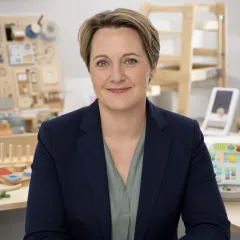
Miriam Adler
Miriam Adler is an educational and STEM toy analyst specializing in busy boards, Montessori-style manipulatives, learning towers, sound books, reading pens, pretend-play sets, and early learning toys. She applies ASTM F963 and IEC 62115 methods while evaluating small-part hazards, accessible edges, switch durability, sound output, battery access, pull force, and age-appropriate task complexity. Her work helps parents, retailers, and product teams choose learning products that align developmental goals, supervision needs, interaction design, and the intended age stage.